Home SafetyHome Security for Roommates 2026: Shared Access, Privacy, and Clear Rules
 Abode May 18, 2026
 Roommate security is different from single-household security. The goal is not just stopping break-ins. It is making shared access clear, protecting private spaces, reducing awkward camera decisions, and giving everyone a simple way to arm, disarm, and respond to alerts.
Abode fits this use case because it can support app access, sensors, cameras, smart locks, and optional monitoring without forcing a long contract. That flexibility matters when leases, roommates, and responsibilities change.
Start With Shared Rules Before Devices
Before buying equipment, roommates should agree on three rules: who can arm and disarm the system, where cameras are allowed, and who gets alerts. Write those rules down in the group chat or lease notes so new roommates can follow the same setup.
Best Roommate Security Setup
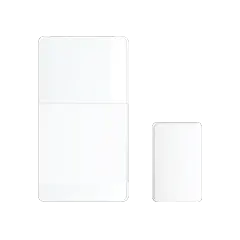
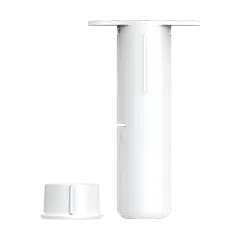
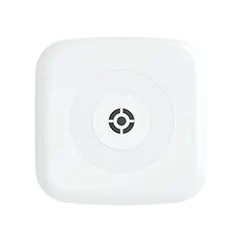
- Front door and back door sensors: cover the main ways people enter and leave.
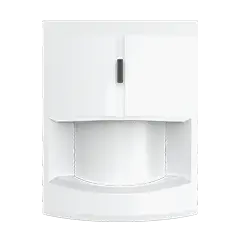
- Motion sensor in a shared hallway or living area: add backup coverage without watching private bedrooms.
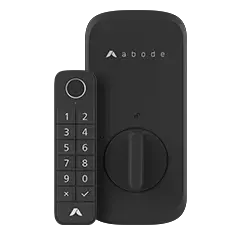
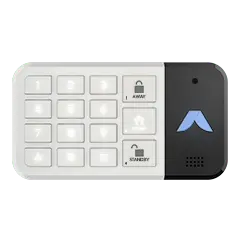
- Smart lock or keypad: use unique codes instead of shared keys where possible.
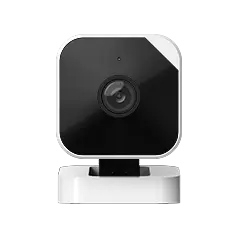
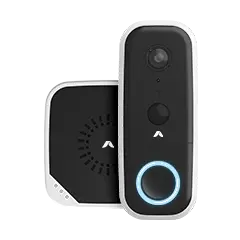
- Outdoor or entry-facing camera: focus on packages, visitors, and exterior activity.
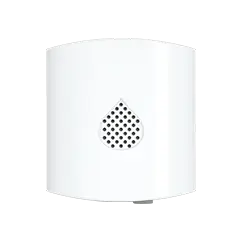
- Water leak sensor: useful for apartments where one leak can affect multiple people and deposits.
Privacy Rules for Cameras
Do not put cameras in bedrooms, bathrooms, or private work areas. In shared homes, cameras should usually face exterior entries, porches, driveways, garages, or agreed common areas. The rule is simple: cameras should protect the household, not monitor roommates.
Access Codes and Guest Management
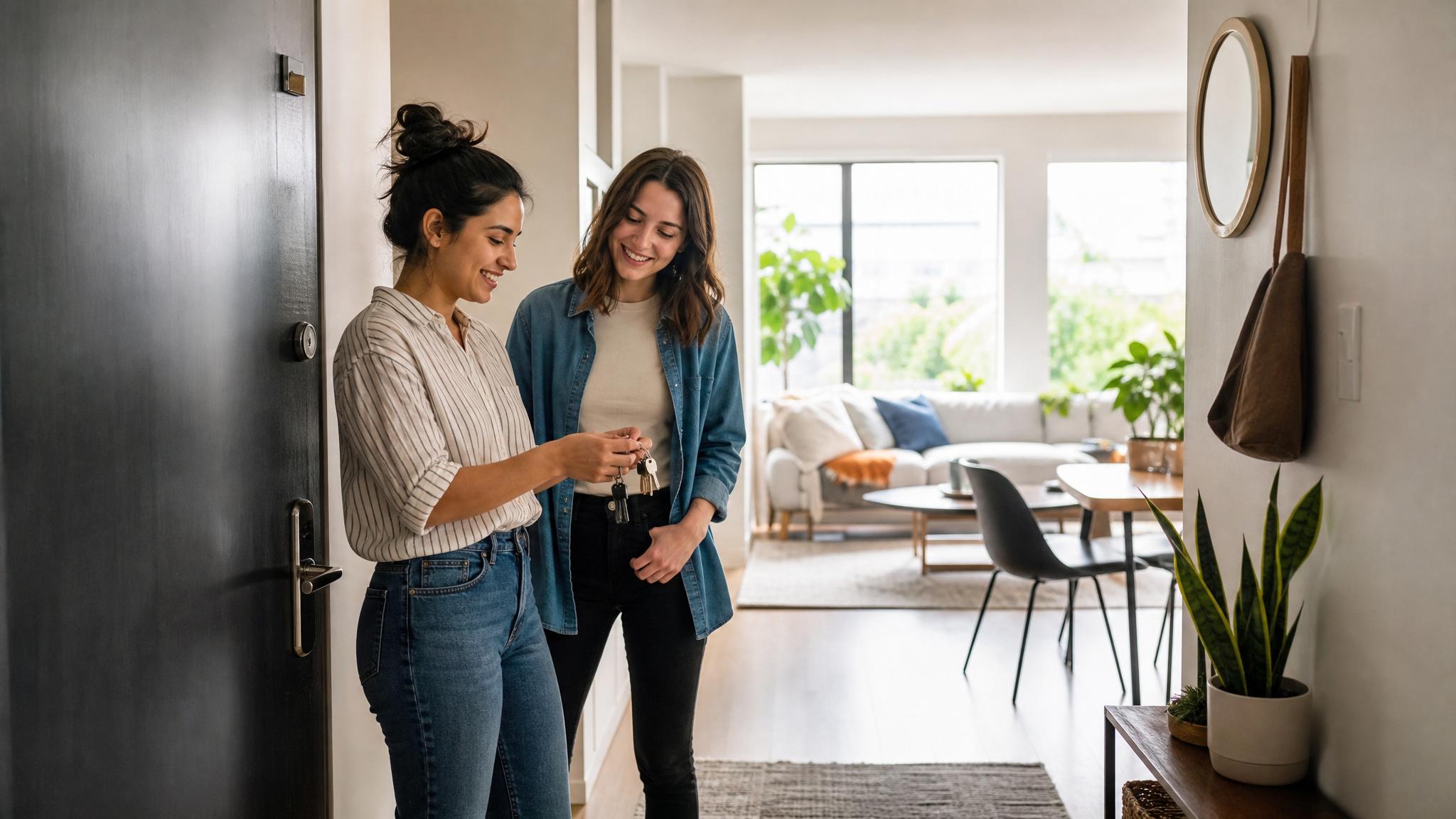
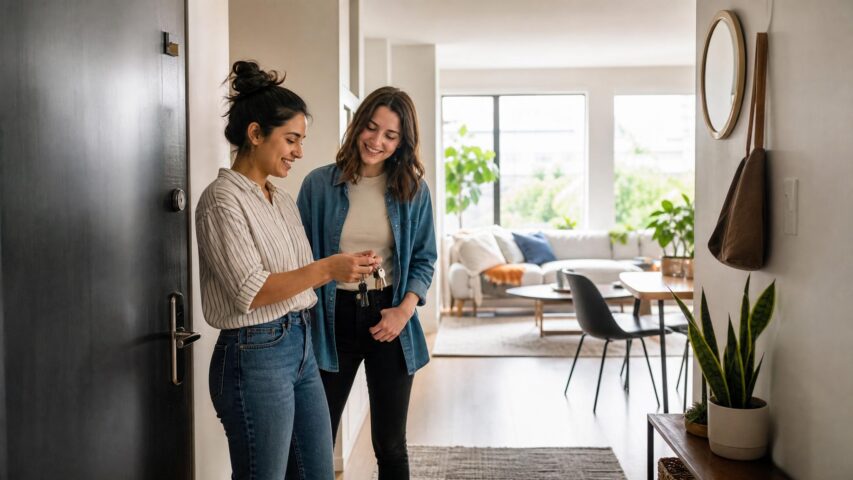
Shared codes create problems when someone moves out or gives the code to a guest. Use unique codes for each roommate, then remove codes when leases change. For cleaners, dog walkers, or temporary guests, use temporary access windows instead of permanent codes.
How to Handle Alerts
Roommates should decide who gets push alerts and who is responsible for checking them. Too many alerts create fatigue. Too few create missed events. A practical setup is to send critical alarm alerts to everyone, but camera or package alerts only to the people who want them.
When Monitoring Makes Sense
Professional monitoring is useful when no one can reliably respond to alerts: night shifts, travel, exams, long workdays, or frequent weekends away. A flexible plan lets roommates upgrade when they need more support and scale back later.
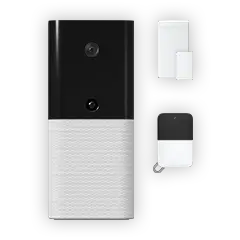
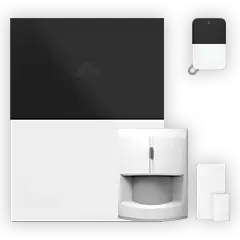
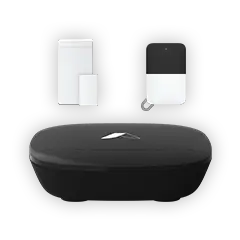
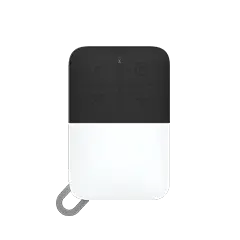
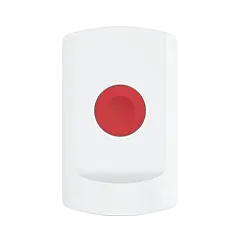
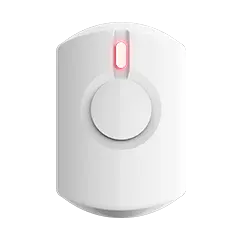
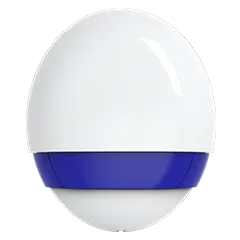
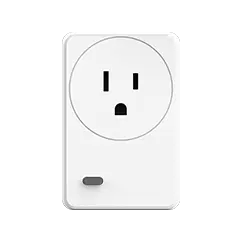
Recommended Abode Setup for Roommates
Roommate Move-Out Checklist
- Remove the old roommate’s app access.
- Delete or change their lock/keypad code.
- Review camera access and notification settings.
- Check sensor names so new roommates understand alerts.
- Confirm who pays for monitoring or subscriptions.
Bottom Line
The best roommate security system is clear, flexible, and privacy-aware. Cover shared entry points, use unique access codes, avoid cameras in private spaces, and keep monitoring optional so the system can change with the household.



 May 16, 2026 Home Security for Night Shift Workers 2026: Safer Arrivals, Sleep, and Alerts
  Abode Night shift workers use home security differently. The risk pattern is not just “away during the day, home at night.” It is late arrivals, early-morning entries, daytime sleep,...