Home SecurityHome Security for Pet Owners 2026: Fewer False Alarms, Smarter Cameras, and Safer Access
 Abode May 02, 2026
 Pets change how a home security system should work. A motion sensor that is fine for an empty hallway can become noisy with a dog. An indoor camera that helps during travel can feel intrusive if it points at living areas all day. The goal is not more devices. It is fewer false alarms, clearer privacy settings, and better control over who can access the home.
This 2026 guide walks through how pet owners should choose cameras, sensors, smart locks, and monitoring without creating a system that gets ignored after two weeks.
Start with the real pet-owner problem: false alarms
False alarms usually come from motion detection, poor camera zones, loose doors, or unclear notification rules. Before buying more hardware, map where pets move during the day and which areas actually need alerts.
- Use entry sensors on doors and accessible windows before relying on motion alerts.
- Place motion sensors where pets do not jump, climb, or sleep.
- Use camera activity zones to avoid beds, food bowls, litter areas, and high-traffic rooms.
- Set schedules so indoor cameras behave differently when someone is home.
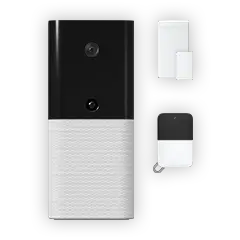
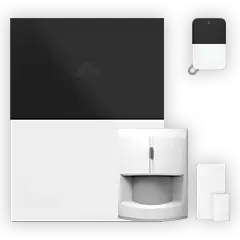
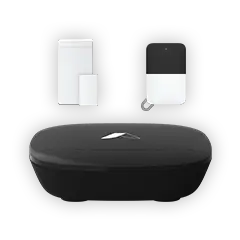
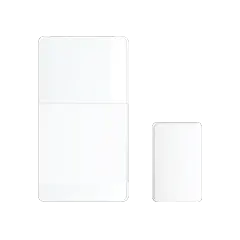
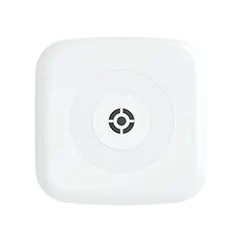
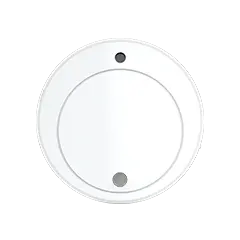
For a starter setup, pair the Abode Smart Security Kit with Mini Door/Window Sensors on the doors and windows that matter most.
Use cameras carefully around pets and people
Cameras are useful for checking a front door, hallway, yard, or package drop. They are also the device most likely to create privacy concerns. Pet owners should treat camera placement as a privacy decision, not just a security decision.
- Point indoor cameras at entry paths, not couches, bedrooms, or private spaces.
- Use privacy zones and schedules where available.
- Give shared users only the access they need.
- Review clip storage settings so video retention matches your comfort level.
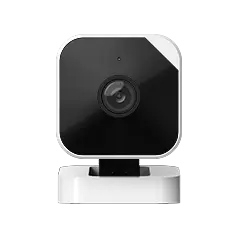
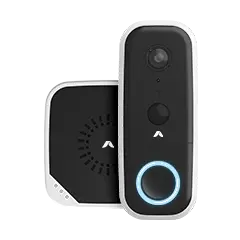
The Abode Cam 2 can support pet-owner use cases when placement, notifications, and shared access are set thoughtfully. For a deeper privacy checklist, see Home Security Camera Privacy in 2026.
Set motion detection around pet behavior
Motion detection should match the home. A cat that climbs shelves, a dog that waits by the front door, or a pet gate that moves in the hallway can all change what counts as useful motion.
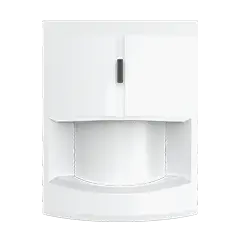
Use a Motion Sensor where it covers real risk without watching every pet path. In many homes, entry sensors plus cameras at key points will be more reliable than broad motion coverage.
Smart locks help with dog walkers, sitters, and cleaners
Pet owners often need temporary access for dog walkers, pet sitters, cleaners, neighbors, or family. A smart access plan should avoid hidden spare keys and make it easy to remove access when it is no longer needed.
- Create temporary codes instead of sharing one permanent code.
- Review activity history after visits.
- Remove old users as soon as access ends.
- Keep a backup plan for dead batteries, Wi-Fi issues, or phone problems.
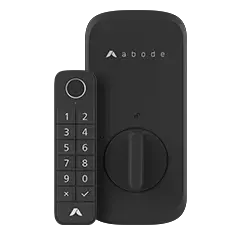
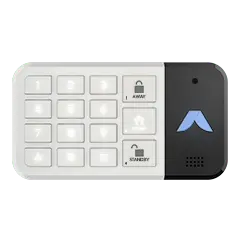
A keypad can also help. The Abode Keypad 2 gives households another way to arm and disarm without relying only on phones.
Choose monitoring based on risk, not fear
Pet owners should compare self-monitoring and professional monitoring based on travel, work schedule, neighborhood risk, and how often someone can respond to alerts. If you travel often, cellular backup and professional response may matter more. If someone is usually home, self-monitoring may be enough.
Review Abode’s home security monitoring plans and compare them against the alerts you actually need.
Recommended pet-owner setup
- Core system: Smart Security Kit.
- Entry coverage: Mini Door/Window Sensors on front door, back door, side door, and accessible windows.
- Camera coverage: Cam 2 at the main entry, garage, or package area.
- Motion coverage: one carefully placed Motion Sensor in a low-pet-traffic area.
- Access: Keypad 2 for household members, walkers, or trusted visitors.
If you rent, combine this with the no-drill advice in Home Security System for Renters 2026. If you live in a townhouse or shared property, see Townhouse Security System 2026.
FAQ
Can pets trigger home security motion sensors?
Yes. Pets can trigger motion sensors if the sensor faces areas where they walk, jump, climb, or sleep. Entry sensors and carefully placed cameras often reduce false alarms.
Where should pet owners place indoor security cameras?
Place cameras near entries, hallways, garages, or package areas rather than private living spaces. Use privacy zones and schedules where possible.
Should pet owners use self-monitoring or professional monitoring?
It depends on travel, response time, and risk. Frequent travelers may benefit from professional monitoring and cellular backup. Households with someone usually home may prefer self-monitoring.





 June 12, 2026 Side Door Security 2026: Smart Locks, Sensors, Cameras, and Entry Routines
  Abode Side doors are easy to treat as secondary, but many homes use them every day. They connect garages, mudrooms, laundry rooms, side yards, service paths, and basement stairs. That makes...
