


 July 14, 2025 How To Secure Your Front Door
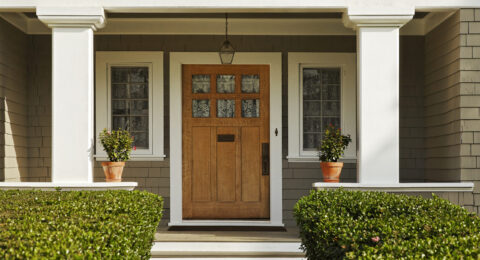
  Stewart Grant Welcome to the ultimate guide on how to secure your front door using the latest technology in home security. Whether you're a DIY enthusiast or a HomeKit user looking to secure your...
 Abode May 06, 2026
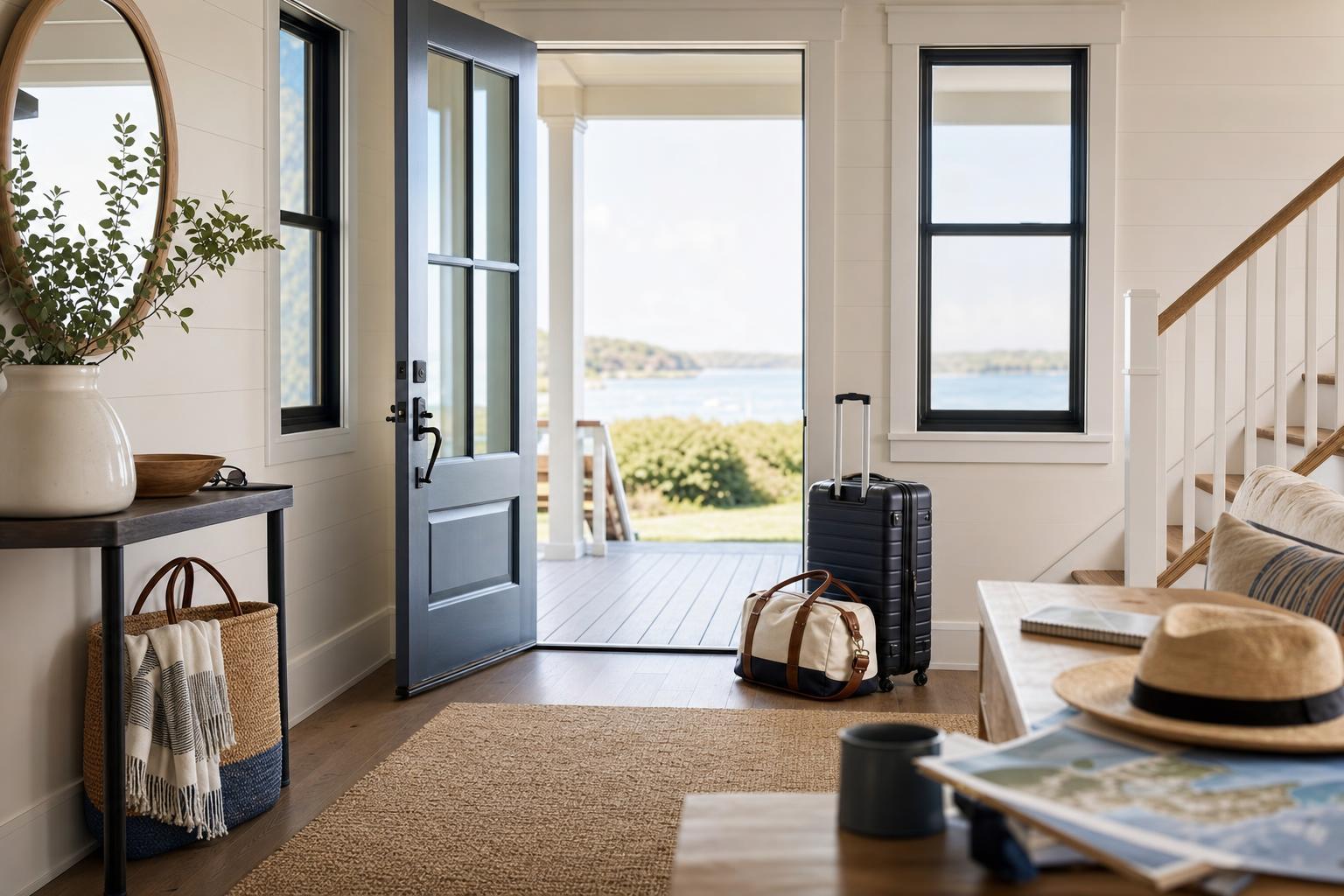
 A vacation home has a different security job than a full-time residence. It can sit empty for weeks, host guests you do not see in person, and face small issues — water leaks, unlocked doors, package theft, storm damage — that become expensive because nobody is there.
The goal is not to turn a second home into a bunker. The goal is to know when something changes, let the right person in, and avoid paying for monitoring or hardware you do not need.
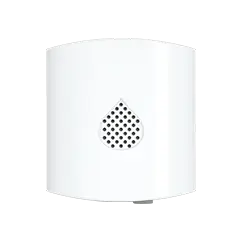
For most vacation homes, the biggest risks are forced entry, unlocked doors after guest stays, water leaks, poor Wi-Fi coverage, packages left outside, and delayed response when an alarm triggers. A good setup covers those first before adding extras.
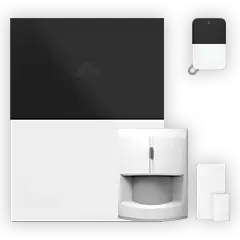
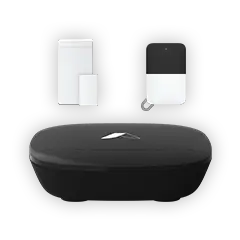
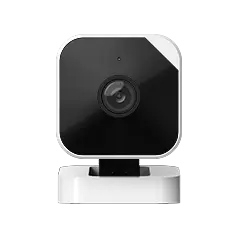
If the property is nearby and you can respond quickly, the Abode Security Kit or Smart Security Kit is often enough to start. Add sensors for every exterior opening and one or two cameras for verification.
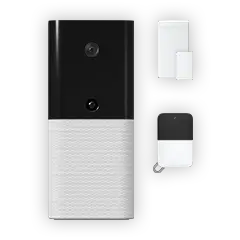
If the home is several hours away, an Iota All-In-One Security Kit can make sense because the hub includes a built-in camera. That gives you one more way to confirm what is happening before dispatching a neighbor, cleaner, or emergency contact.
A second home makes monitoring a more practical decision. When you are asleep, traveling, or out of cell range, alerts can sit unanswered. With Abode home security monitoring, you can keep the DIY setup while adding a response layer for the months you need it most.
If you only use the property seasonally, compare the free setup against paid monitoring using the same framework in our no-subscription home security guide. You may not need monitoring year-round, but it can be worth turning on during long vacancies or travel-heavy months.
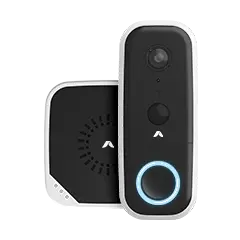
Vacation homes often involve guests, cleaners, contractors, and family members. Keep camera placement clear and respectful: exterior approaches, garages, and entryways are easier to justify than living rooms or bedrooms. Use the same privacy thinking from our home security camera privacy guide.
The best vacation-home system is only as good as the handoff after each stay. Build a short checklist for whoever leaves last:
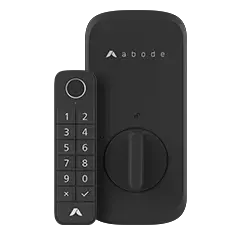
This is similar to renter-friendly security: protect the property without adding friction for the people using it. If you also host renters or family guests, the access-control tips in our renter security guide apply here too.
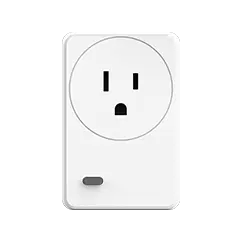
A vacation home does not need the biggest security package. It needs the right signals: entry, motion, video verification, water leaks, and access events. Start with those, then decide whether monitoring is worth adding during the months when nobody can respond quickly.