Cameras & Motion SensorsMudroom Security 2026: Garage Entry Doors, Smart Locks, Sensors, and Cameras
 Abode June 16, 2026
 Last Updated: June 2026
Mudrooms and garage-entry doors are easy to overlook because they feel like part of the inside of the house. In practice, they are often one of the busiest access points: family entry, side-yard access, garage-to-house movement, pet gear, packages, keys, tools, and school bags all pass through the same small zone.
A good mudroom security setup does not need to be complicated. It needs to answer five questions: did the door open, who unlocked it, was someone in the room, is there video context, and what happens if no one responds to the alert?
Quick Setup By Mudroom Risk
| Mudroom setup | First device to add | Why it matters |
|---|
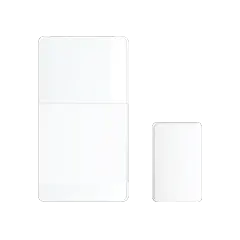
| Garage entry door | Mini Door/Window Sensor | The door-open alert is the baseline signal for a garage-to-house entry. |
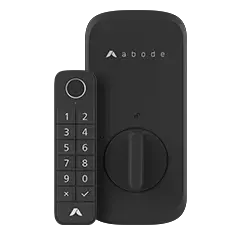
| Shared family entry | Abode Lock | Codes and app access are easier to manage than spare keys. |
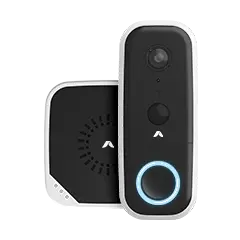
| Package or gear drop zone | Abode Cam 2 | Video helps explain motion alerts and package movement. |
| Dark side entry | Light routine plus camera | Lighting makes alerts clearer and deters lingering near the door. |
| Travel or empty-home periods | Monitoring plan | Alerts only help if someone can respond when you are away. |
Why Mudrooms Need Their Own Security Plan
The front door gets the video doorbell. The back patio gets the sliding-door sensor. The mudroom often gets whatever is left over, even though it may connect directly to the garage, driveway, side yard, laundry room, or kitchen.
That makes the mudroom a high-traffic entry with three different jobs:
- Access control: family, guests, cleaners, dog walkers, and contractors may all use the same door.
- Intrusion detection: the garage-entry door should trigger the same alarm logic as any exterior door.
- Context: cameras and motion alerts help separate normal household movement from a real issue.
Start With The Door Sensor
The first device for a mudroom is usually a contact sensor, not a camera. A camera can show activity, but a sensor tells the system that the door opened. That matters for Home, Away, and Night routines.
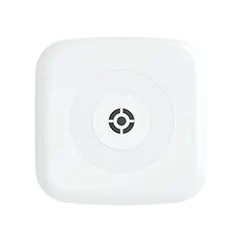
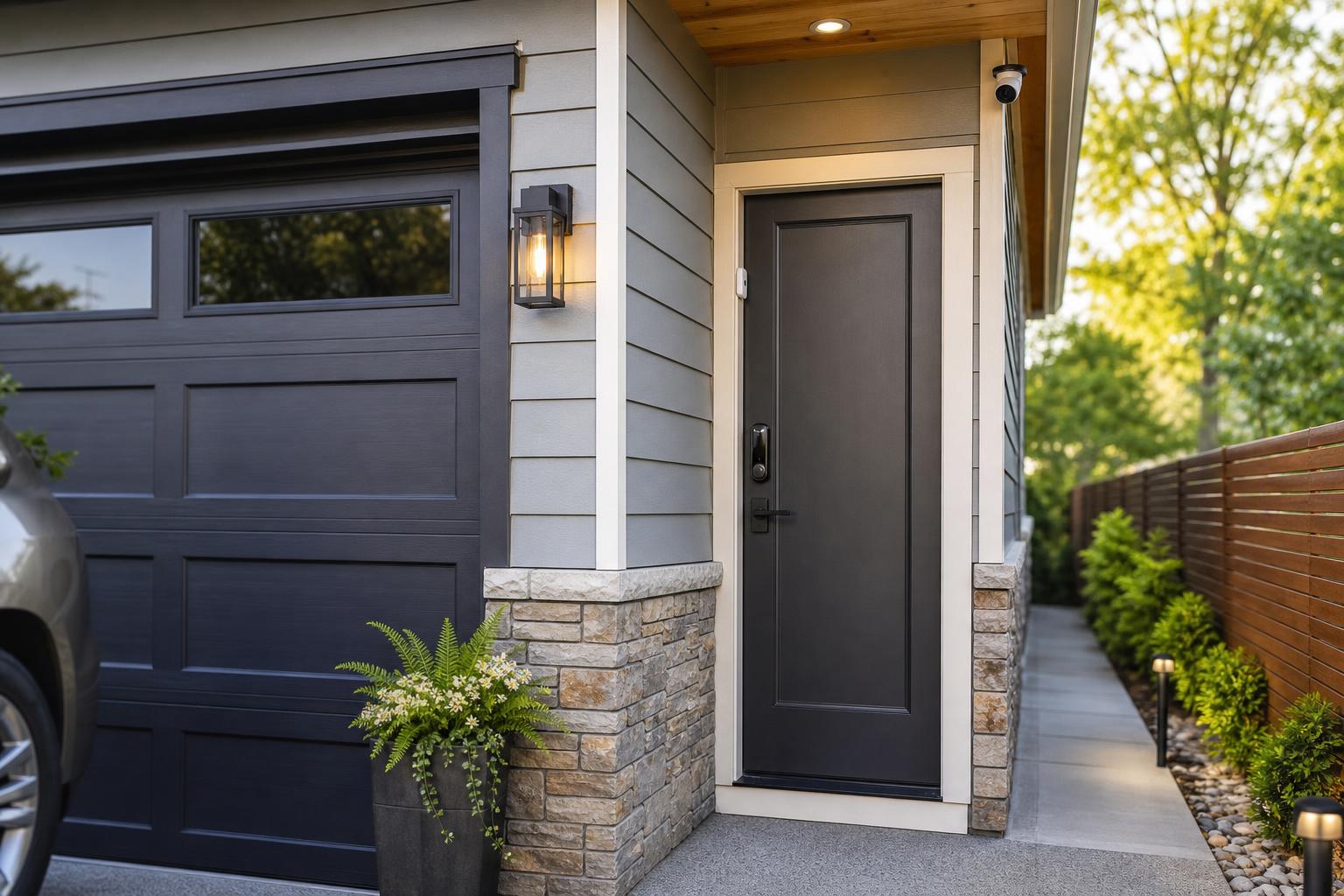
Place a Mini Door/Window Sensor on the garage-entry door, side door, or mudroom-to-exterior door. If the mudroom has both a garage door and a side-yard door, sensor both. The goal is to make every path from outside to inside visible in the app and available for alarm rules.
Add Smart Lock Control Where Keys Create Risk
Mudroom doors are often where spare keys become a problem. A smart lock helps when multiple people need access but you do not want permanent copies of a key floating around.
The Abode Lock is most useful when the mudroom or garage-entry door is a daily access point. Use named codes for household members and temporary codes for short-term access. If the door leads from the garage into the house, check the door hardware and fire-rating requirements before changing locks.
Use Cameras For Context, Not As The Only Security Layer
A camera is useful in a mudroom when it points at the entry path without over-recording private household areas. The best camera angle usually covers the door, package drop zone, or garage threshold rather than the whole interior.
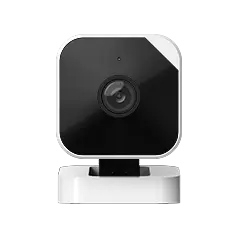
An Abode Cam 2 can help with package movement, pet activity, and unexpected motion after the door opens. It should support the door sensor, not replace it. If the door opens during Away mode, the sensor creates the alarm event and the camera adds visual context.
Build A Simple Mudroom Routine
A strong mudroom routine has a short chain of events:
- Door opens while the system is armed.
- Entry delay starts only for trusted access points.
- Camera records or sends a motion alert if movement follows.
- Light turns on after dark.
- Monitoring or escalation rules apply if no one disarms the system.
If the mudroom is mostly a family entry, make the routine forgiving enough for daily use. If it is a rarely used side entry, make the routine stricter.
Do Not Forget Motion And Lighting
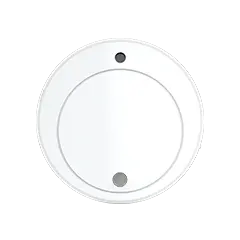
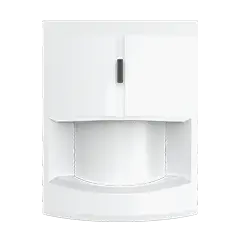
Mudrooms are small, so a motion sensor can be useful when the door sensor alone does not tell the whole story. Motion is especially helpful if there is a garage access point, a side-yard door, or a storage area where someone could enter and pause.
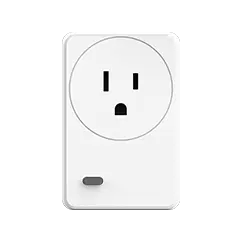
Lighting matters too. A porch light, garage light, or smart plug routine makes camera clips clearer and reduces dark entry points. For camera-heavy setups, better lighting is often the cheapest upgrade.
Self-Monitoring Vs Professional Monitoring
Self-monitoring can work well when someone is usually available to respond. It is less reliable when the mudroom is the main access point during vacations, work travel, or long school-day gaps.
Compare Abode plans if you want cellular backup, pro monitoring, or stronger response coverage. The right plan depends on whether a push notification is enough or whether you need a dispatch path when the household is away.
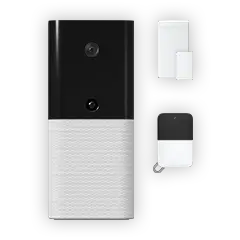
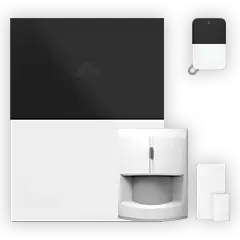
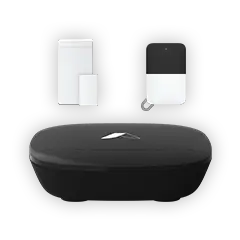
Recommended Abode Mudroom Setup
Related Guides
Build the mudroom plan alongside broader entryway coverage. Start with garage security, then review side door security, sliding door security, and camera storage options before choosing where video recording needs a paid plan.
Bottom Line
The best mudroom security setup is simple: sensor the door, control access with a smart lock where it makes sense, add camera context, use lighting after dark, and choose a monitoring path that matches how often the home sits empty. Treat the mudroom like a real exterior entry, not just a hallway with shoes.
FAQ
What is the first security device to add to a mudroom?
A door/window contact sensor is usually first because it tells the system when the garage-entry, side-entry, or mudroom door opens.
Should I put a camera inside the mudroom?
Yes, if the camera faces the entry path or package zone without over-recording private household space. Use it for context alongside a door sensor.
Is a smart lock useful on a garage-entry door?
It can be useful when the door is a daily family entry or shared access point. Confirm the door hardware and safety requirements before changing locks.
Do mudroom doors need professional monitoring?
Not always. Self-monitoring can work when someone can respond quickly. Professional monitoring is more useful during travel, workdays, and empty-home periods.




 June 12, 2026 Side Door Security 2026: Smart Locks, Sensors, Cameras, and Entry Routines
  Abode Side doors are easy to treat as secondary, but many homes use them every day. They connect garages, mudrooms, laundry rooms, side yards, service paths, and basement stairs. That makes...
