Cameras & Motion SensorsSliding Door Security 2026: Sensors, Locks, Cameras, and Patio Protection
 Abode June 10, 2026
 Sliding glass doors are convenient, bright, and common on patios and backyards. They are also one of the easiest entry points to forget when building a home security plan. A front door often gets the smart lock, camera, and keypad. The sliding door gets a latch and hope.
A better 2026 setup is simple: verify the door is closed, make forced entry louder, record the patio zone, and decide when alerts should become emergency response. You do not need to turn the living room into a project. You need the right sensor on the frame, a camera angle that sees the approach, and a monitoring plan that matches how often you are away.
Sliding Door Security at a Glance
| Risk | Best fix | Why it matters |
|---|
| Door left unlocked or partly open | Contact sensor on the moving panel | Confirms open/closed status before bed or when leaving. |
| Forced slide or lift attempt | Secondary lock, security bar, and alarm sensor | Makes entry slower, louder, and easier to detect. |
| Backyard approach | Camera watching the patio path | Shows who is near the door before a break-in attempt. |
| Nighttime blind spot | Motion lighting plus camera zones | Improves visibility without recording the whole yard all day. |
| Missed phone alerts | Optional professional monitoring | Adds dispatch support when you are asleep, driving, or traveling. |
Start With an Open-Close Sensor
The first device for a sliding door should be a contact sensor. A camera can show motion near the patio, but a sensor tells the system the door actually opened. That clean signal is what lets you build useful rules: send an alert after dark, trigger a siren in Away mode, remind you when the door is still open, or start a camera recording tied to the entry event.
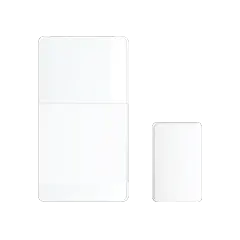
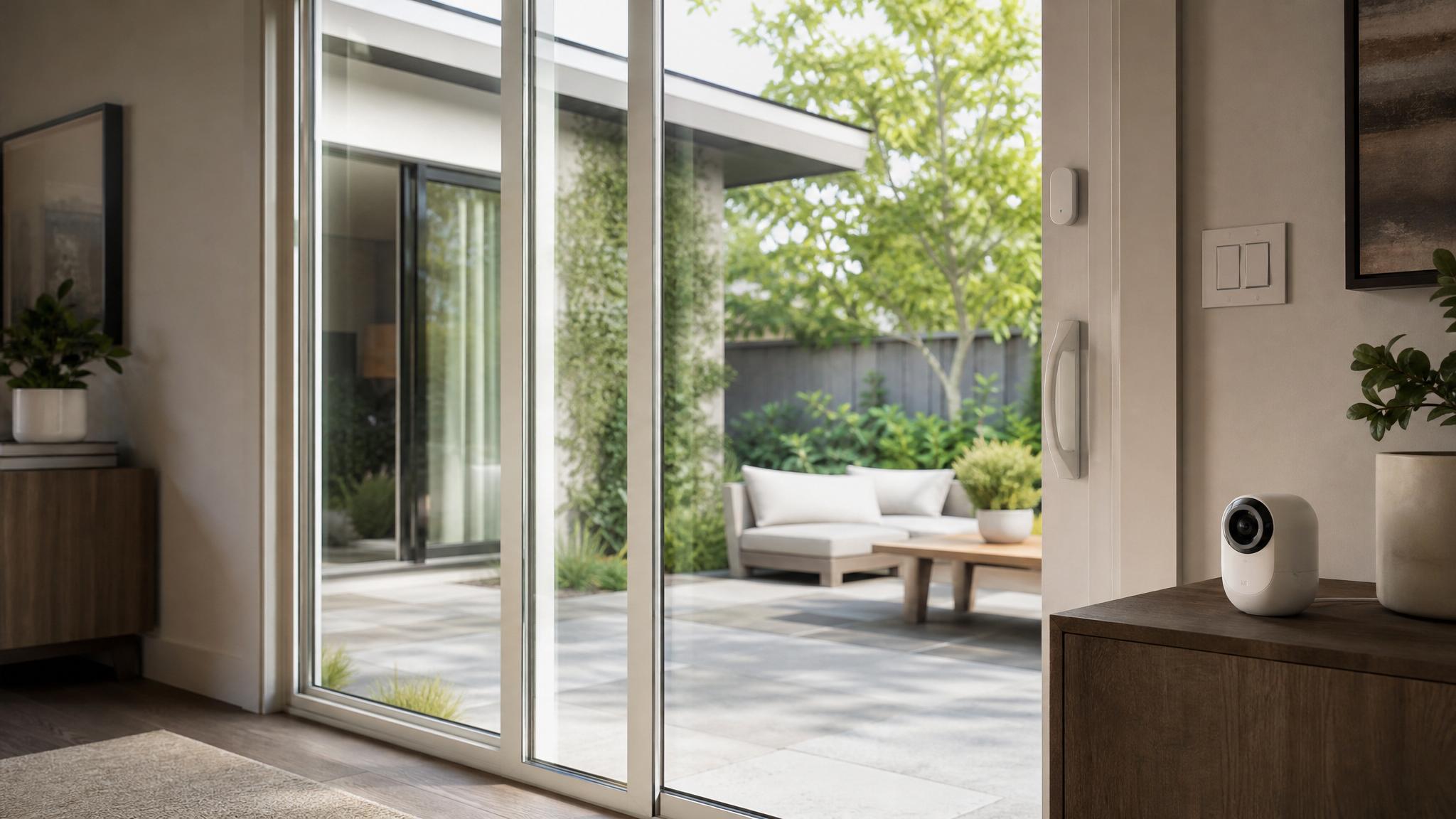
The Abode Mini Door/Window Sensor is the right size for most sliding-door frames because it can sit on the frame and moving panel without taking over the look of the room. Test placement before removing adhesive backing. Sliding doors have more trim variation than standard doors, and the magnet needs to line up cleanly.
Add a Physical Backup
Security is strongest when the electronic layer and physical layer work together. A sensor tells you what happened. A lock or bar makes the event harder to start. For sliding doors, that usually means checking the latch, adding a secondary foot lock or track lock where appropriate, and using a security bar when you want a simple nighttime barrier.
- Check the latch first: if it does not catch smoothly, fix that before adding devices.
- Use the track: a bar or dowel can reduce sliding movement, especially at night.
- Watch lift risk: older doors can sometimes be lifted out of the track, so anti-lift hardware may matter.
- Keep exits usable: do not create a setup that blocks safe exit in an emergency.
Place the Camera for the Approach, Not the Glass
A camera pointed straight at reflective glass often gives poor results. For sliding doors, the better view is usually the patio approach, side gate path, or interior angle that sees the door and the room beyond it. The goal is context: who walked up, when the door opened, and whether the alert needs action.
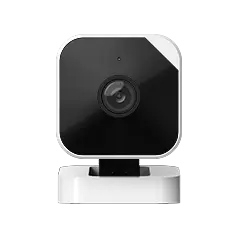
For many homes, an indoor Abode Cam 2 on a shelf near the sliding-door room is enough. If the patio is busy, tune motion zones so you are not alerted every time trees move or someone crosses the far edge of the yard. For broader yard planning, pair this with the backyard security guide.
Use Night Modes and Routines
Sliding doors are often used late: letting a pet out, stepping onto the patio, opening the room for air, or coming in from a backyard gathering. That means the system should understand modes. The same door opening at 6 p.m. should not behave like a door opening at 2 a.m.
| Mode | Good rule | Why it works |
|---|
| Home day | Quiet notification only | Tracks door use without making normal living annoying. |
| Home night | Alert plus entry light | Makes unexpected openings visible without instantly escalating every event. |
| Away | Siren, camera recording, and phone alert | Treats sliding-door openings as real security events. |
| Vacation | Away rules plus monitoring | Adds response coverage when nobody is nearby. |
Recommended Abode Setup
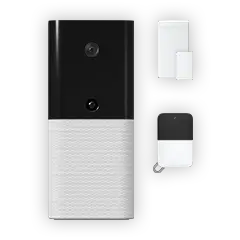
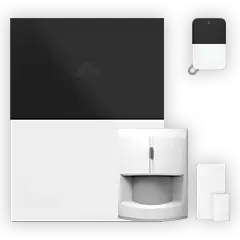
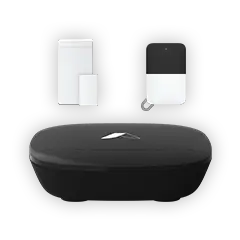
A practical sliding-door package starts with the Abode Smart Security Kit, one Mini Door/Window Sensor for the sliding door, an Abode Cam 2 for the patio or interior view, and optional sensors for the nearby windows. If the sliding door is the main route to a backyard, add lighting or a camera view that covers the path before someone reaches the glass.
For monitoring, start with the plan that matches your risk. Self-monitoring may be enough if you are usually home and respond quickly. If you travel, sleep through phone alerts, or want dispatch support, compare current Abode plans. The point is not to overbuild the patio. It is to make the highest-risk door part of the same security routine as the front door.
Sliding Door Checklist
- Confirm the latch closes cleanly and the door cannot be pushed open when locked.
- Add a contact sensor and test open, closed, and partial-open positions.
- Use a secondary lock, security bar, or anti-lift hardware where needed.
- Place a camera to see the patio approach instead of only reflecting off the glass.
- Create separate Home, Night, Away, and Vacation rules.
- Check camera storage settings so useful clips are retained when an event happens.
- Review the setup after moving furniture, replacing blinds, or changing Wi-Fi gear.
For camera recording decisions, read the home security camera storage guide. For the entry most people secure first, compare this plan with the front door security guide.
FAQ
What is the best way to secure a sliding glass door?
Use a layered setup: a working latch, a secondary lock or security bar, a contact sensor, and a camera view of the patio approach. The sensor confirms the door opened, while the physical lock slows entry.
Can a door sensor work on a sliding glass door?
Yes. A contact sensor can work on most sliding doors if the sensor and magnet line up on the frame and moving panel. Test placement before using permanent adhesive.
Should a camera point at the sliding door?
Usually it should cover the approach to the sliding door or an interior angle that sees the entry path. Pointing directly at glass can cause glare and reflections.
Do I need professional monitoring for a sliding door sensor?
Not always. Self-monitoring can work if you respond quickly. Professional monitoring makes more sense when you travel, sleep through alerts, or want emergency dispatch support.




 June 12, 2026 Side Door Security 2026: Smart Locks, Sensors, Cameras, and Entry Routines
  Abode Side doors are easy to treat as secondary, but many homes use them every day. They connect garages, mudrooms, laundry rooms, side yards, service paths, and basement stairs. That makes...
